Dental care for children with special needs
Dental visits can feel hard when your child has special needs. This guide explains what a pediatric dentist may do, how to prepare, and what questions to ask—so you can feel more ready.
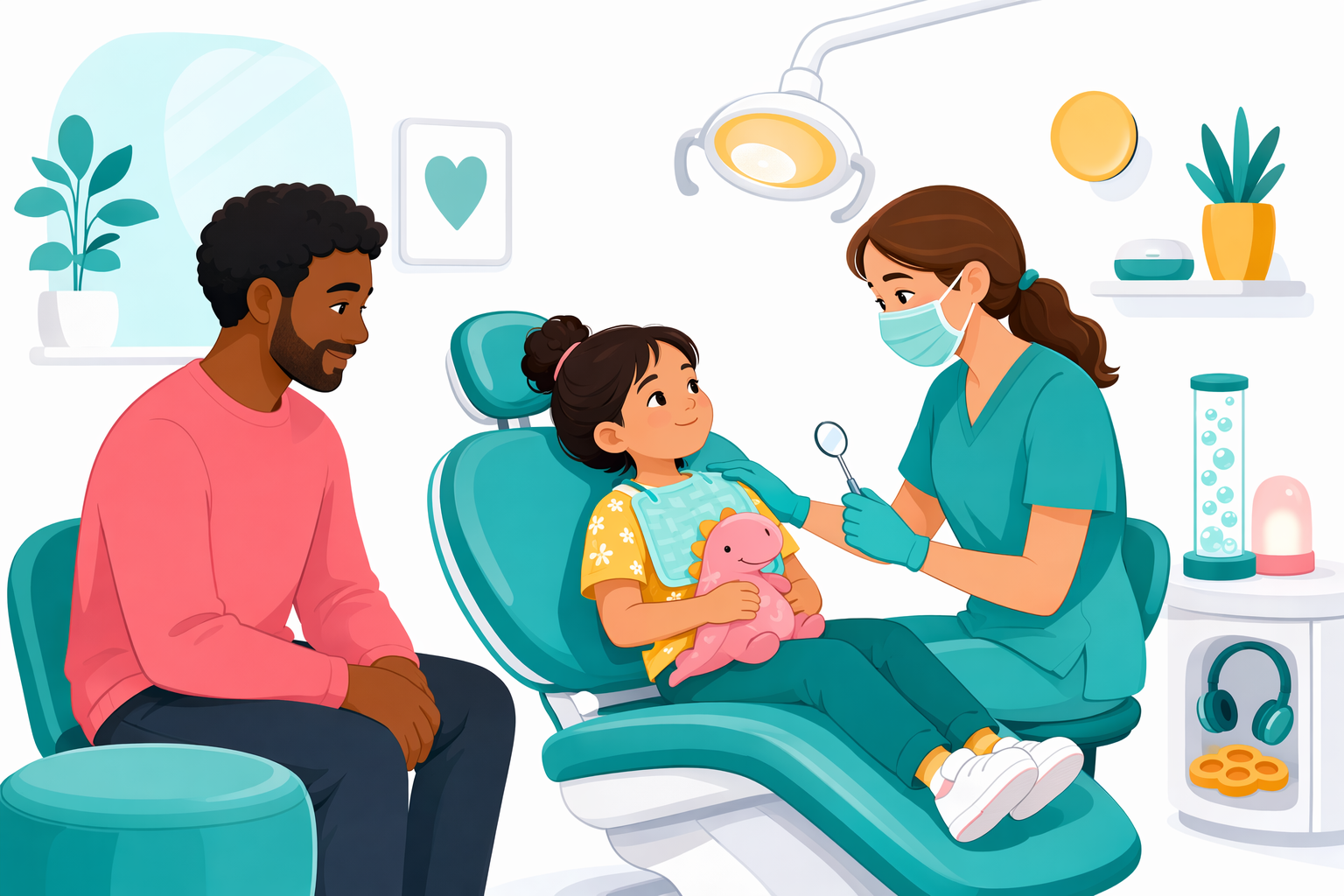
Why dental care is still important for children with special needs
Children with autism, sensory differences, or other medical needs deserve the same protection from cavities and gum problems as any child. Baby teeth matter too, because they help with eating, speech, and guiding permanent teeth.
When kids have trouble with changes, sounds, or being touched, a dental appointment can be stressful. The good news: many pediatric dentists plan ahead and make accommodations to help families feel safer and calmer.
This page is general information. It isn’t medical advice. For questions about your child’s specific needs, talk to a licensed pediatric or general dentist or your child’s care team.
Key things a pediatric dentist may offer (and why they matter)
Every child is different, so “special needs care” should be customized. Many pediatric dental offices try to reduce stress by using child-friendly spaces, clear routines, and extra time.
Some dentists may offer behavior support approaches, like talking through steps before they happen and using gentle, predictable exam methods. For children who need more support, some offices can also discuss pain and anxiety options such as topical numbing, nitrous oxide (“laughing gas”), or sedation when appropriate—always decided by a dentist and family based on the child’s situation.
If your child needs extra structure, ask whether the office can schedule shorter waits, allow a caregiver to be close, or reduce sensory triggers (like loud sounds or bright lights). These details can make a big difference.
What you can do before the first visit
Preparation helps the visit go smoother. Start by calling ahead and telling the office about what your child finds hardest—like dental smells, loud suction sounds, mouth touching, or waiting rooms.
Ask what the appointment will look like. Will there be a quick check first? Can your child meet the team before the exam? Many offices can explain each step in simple terms and keep things short when needed.
Bring comfort items that help your child feel safe, such as noise-reducing headphones, a familiar blanket, or a favorite distraction. If your child uses communication cards, a visual schedule, or an established routine, bring that too.
If cost is a concern, ask about insurance and coverage. Many kids’ preventive dental visits are covered by private insurance, Medicaid, or CHIP for eligible families. For more on budgeting and what different visits can cost, see dental costs and coverage basics.
What to ask when you call (copy/paste questions)
When you contact an office, you’re looking for a good fit. Here are questions many parents find helpful:
- Do you regularly see children with autism, sensory challenges, or other special needs?
- Can we tour the space or meet the team before the dental exam?
- How do you handle waiting room noise, lights, and waiting time?
- What will you do if my child is very anxious or refuses mouth care?
- Do you use nitrous oxide (“laughing gas”), sedation, or other comfort options when needed? What’s the usual process?
- Will you explain each step as we go, and can we pause or slow down?
- Are there ways to minimize discomfort during cleaning or exam?
- What should we do about medications or medical needs on the day of the visit? (Ask the dentist what they need from your child’s licensed clinician.)
You don’t need to share medical history on a matching form. On the call, focus on what helps and what makes the visit difficult (sensory triggers, communication style, and comfort needs).
Common mistakes to avoid
Many families mean well, but a few common slip-ups can make the visit harder.
First, don’t wait too long to schedule the first visit. Pediatric dental care is often recommended by age 1 or when the first tooth shows up. If your child hasn’t been seen yet, ask about setting up that first appointment. See what to expect at the first visit.
Second, don’t go in hoping the office will “just figure it out” on the day. Clear communication before the appointment helps the team plan the right approach and timing.
Third, don’t assume “can’t be done.” Many offices can adjust pacing, reduce sensory load, and use comfort options when appropriate. Your job is to share what your child experiences—so the dentist can plan.
Next step: get matched with a pediatric dentist who can accommodate
If you’d like help finding a pediatric dentist, SproutSmile is a FREE service that helps families in the US get matched with pediatric dental offices. We help you connect with an office that may be a good fit for your child’s needs—based on what you share about the kind of support you’re looking for.
To get started, choose a convenient time and submit your contact details. We don’t ask for your child’s medical history or health records.
Ready to begin? Go to get matched to find a pediatric dentist and ask the right questions before your appointment.
You can prepare for a child’s special-needs dental visit by calling ahead, asking about accommodations and comfort options, and then getting matched with a pediatric dentist who can support you.