Special-needs pediatric dentistry
Finding the right dentist can feel stressful—especially if your child has autism, sensory sensitivities, or other medical or developmental needs. We help you get matched with a pediatric dentist that offers a welcoming, accommodating visit.
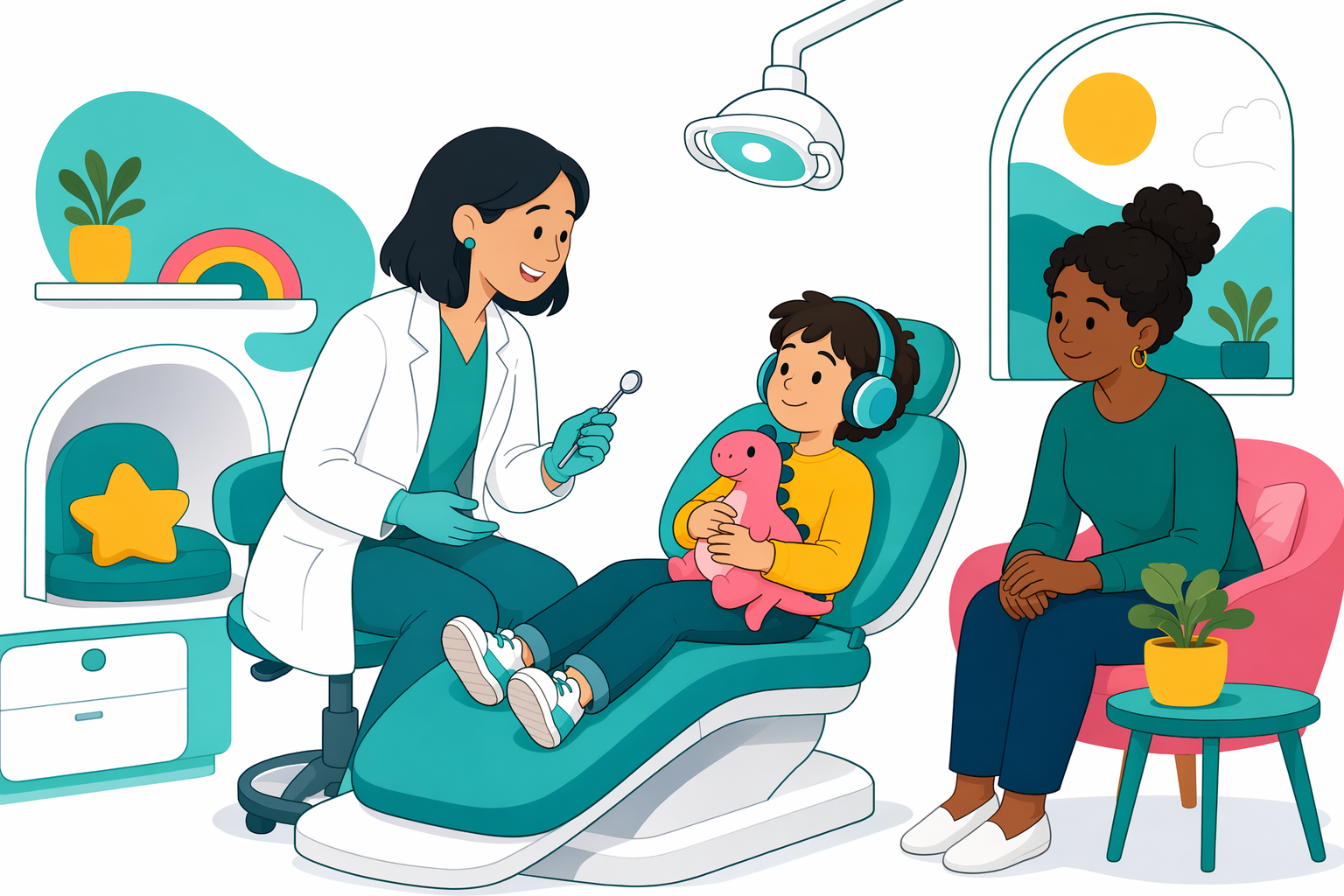
What special-needs pediatric dentistry means
Special-needs pediatric dentistry is dental care for children who may need extra support to feel safe and comfortable. That can include children with autism, sensory sensitivities, ADHD, anxiety, speech or learning differences, or certain medical conditions.
A good pediatric office will focus on comfort and communication, not just the dental exam. Depending on your child’s needs, that might mean a slower pace, shorter visits, visual supports, and extra time for routines like numbing and brushing practice.
We’re a FREE service for parents and guardians in the US. We help you find and get matched with a pediatric dentist who says they can accommodate children with special needs. We’re not a dental office and we can’t provide dental or medical advice—your child’s licensed dentist will guide care.
What to expect at the visit
Every child’s visit is different, but many special-needs pediatric dental appointments follow a similar plan: meet your child, build comfort, and then do the dental work that’s needed.
A typical first visit may include a gentle exam and a chance for your child to get familiar with the room. The dentist and team may use simple explanations, demonstrations, or ask you about what helps your child stay calm. They may also offer choices, like whether to use sunglasses, headphones, or a quieter space.
Depending on your child’s situation, the dentist might use tools and techniques that reduce discomfort. If your child needs extra help to complete care safely, the dentist may discuss options such as nitrous oxide (“laughing gas”) or sedation. These decisions are made by the dentist for your child’s specific needs.
If you’re wondering about what happens next, start with a pediatric dentist you trust and ask about their approach for children who need extra time.
How to prepare your child (and yourself) before you go
Preparation can make a big difference. Before the appointment, gather any important info you want to share—like triggers (noise, lights), what calms your child, and what has worked at school or therapy settings.
If your child benefits from predictability, ask the office if they can share what the visit will look like. Some families use social stories, picture schedules, or “first/then” steps. You can also bring comfort items your child already trusts, like a fidget, blanket, or headphones.
On the day of the visit, consider arriving a little early so your child can get used to the building. If your child needs sensory adjustments, tell the front desk what helps. Many offices will do their best to accommodate.
If you’d like a checklist for choosing the right pediatric dentist, see choosing a pediatric dentist.
Typical costs and how insurance, Medicaid, and CHIP can help
Costs vary by where you live, what your child needs, and which dental plan the office accepts. Many children’s dental visits are partly covered by dental insurance for preventive care, like exams and cleanings.
For families who qualify, Medicaid and CHIP often cover children’s dental benefits, including exams and common preventive services. Coverage details and eligibility rules can vary by state.
As you compare options, ask the office what services are planned for the visit and what your family can expect for out-of-pocket costs. If you want more details on costs in general, visit /costs/.
We can help you connect with pediatric offices, but we can’t quote prices. Your matched dentist can tell you the costs for your child’s specific plan and treatment needs.
Questions to ask a special-needs pediatric dentist
When you call or message an office, you want clear, practical answers. Here are questions many parents find helpful:
• “How do you help children who have sensory sensitivities feel comfortable?”
• “Do you offer a quieter room, ear protection, headphones, or options to reduce lights/noise?”
• “Can the first visit be shorter or done in steps if my child gets overwhelmed?”
• “What does the exam and cleaning usually include for children with special needs?”
• “Do you use visual supports, simple explanations, or a ‘tell-show-do’ approach?”
• “If my child can’t complete care in a regular appointment, what options do you discuss (like nitrous oxide or sedation)?”
• “How do you handle behavior and safety during procedures?”
• “What is your policy for scheduling—are there special appointment times or longer blocks for children who need extra time?”
You can also ask what you should bring (comfort items, forms, communication supports) and whether the office works with families who use therapies outside of dental care.
For the best match, share what helps your child feel safe—like a calm routine, a preferred communication style, or sensory needs. Your child’s dentist will decide what’s clinically appropriate.
Get matched with an accommodating pediatric dentist
If you’re ready, we can help you get matched with a pediatric dentist in your area who supports children with autism, sensory sensitivities, or other special needs.
Complete our form and tell us a little about your child’s situation—focus on comfort needs and scheduling preferences. We only collect contact details. We won’t ask for your child’s medical records or dental history.
After you submit, we’ll help connect you with offices that can fit what you’re looking for. You’ll still want to call the office to confirm availability, insurance/coverage, and the specific approach they use for children with special needs.
Start here: get matched with a pediatric dentist.
SproutSmile helps you get matched with a pediatric dentist who can better accommodate children with autism, sensory needs, or other special needs—so you can prepare for a calmer first visit.