How to prevent cavities in children
Small daily habits can make a big difference. Here’s a simple parent guide to lowering your child’s chance of cavities, from baby teeth through school age.
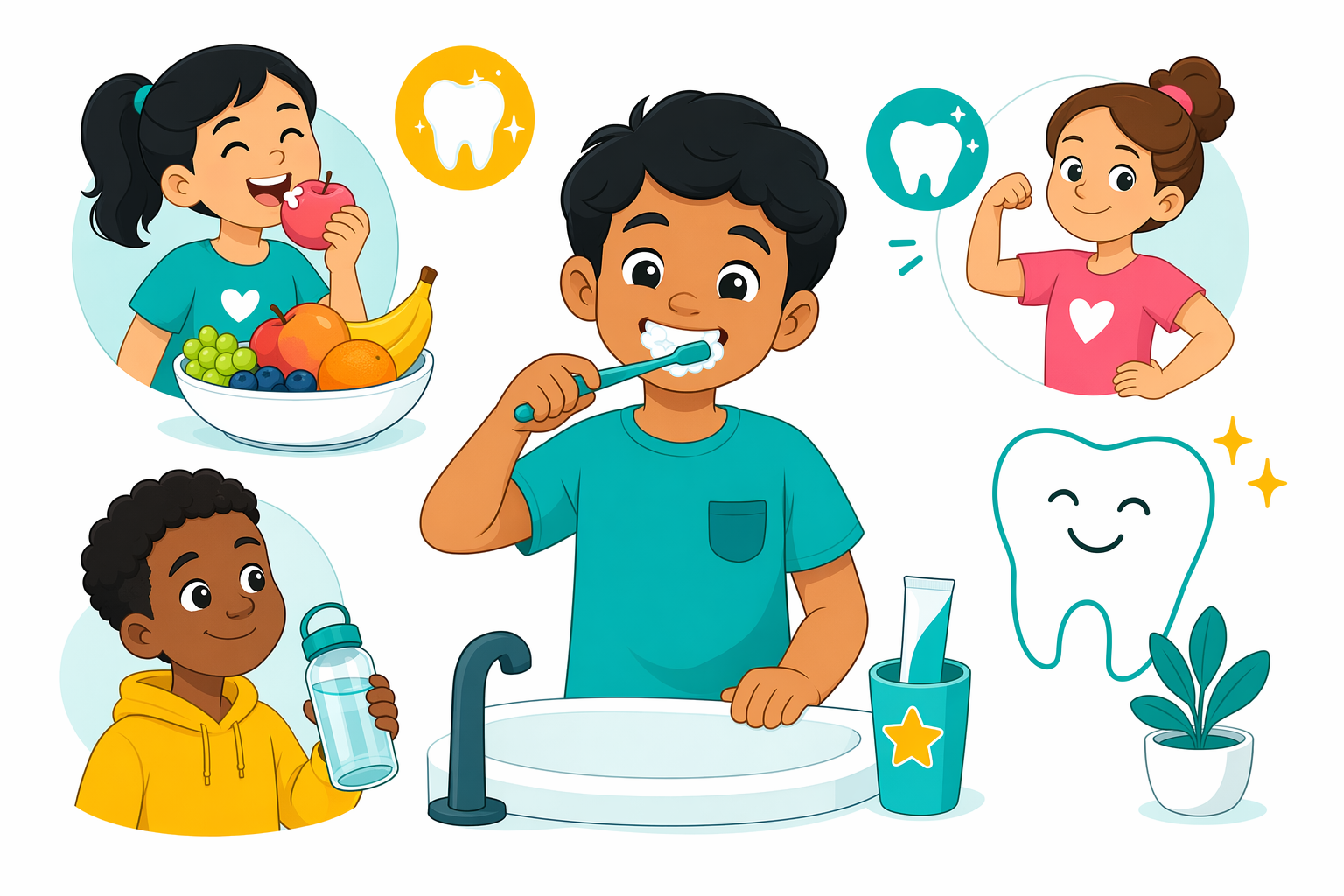
Cavity prevention starts early
Cavities are common in children, but many can be prevented. The basics are simple: clean the teeth well, use fluoride, watch how often your child has sugary drinks and snacks, and keep up with regular dental visits.
Baby teeth matter. They help your child eat, speak, and hold space for adult teeth. A cavity in a baby tooth can still hurt, lead to infection, and make eating or sleeping hard.
Many dentists recommend a child’s first dental visit by age 1 or within 6 months of the first tooth coming in. If you have questions about timing, learn what happens at a first visit or talk to a licensed pediatric or general dentist.
The everyday habits that help most
Brush your child’s teeth twice a day. Use a soft toothbrush and fluoride toothpaste. For children under age 3, many dentists suggest a tiny smear of toothpaste. For ages 3 and up, a pea-sized amount is commonly used. Parents usually need to help with brushing for years, even when a child wants to do it alone.
Floss once teeth touch each other. If food and plaque get stuck between teeth, a toothbrush cannot always reach those spots. Floss picks made for kids can make this easier for some families.
Fluoride helps make teeth stronger and lowers the risk of cavities. It may come from toothpaste, drinking water, or fluoride treatments at the dental office. Sealants can also help. These are thin protective coatings that dentists place on back teeth to help keep out food and germs. A licensed pediatric or general dentist can tell you what makes sense for your child.
Food, drinks, and sippy cups
Sugar matters, but timing matters too. Teeth are at higher risk when a child sips or snacks on sweet things all day long. Juice, sports drinks, flavored milk, soda, sweet tea, and sticky snacks can all raise the chance of cavities.
Water is usually the best drink between meals. If your child has juice, many families find it helps to keep it small and serve it with a meal instead of letting a child sip it for a long time. Going to bed with milk, juice, or any sweet drink in a bottle or sippy cup can be especially hard on teeth.
A sippy cup can be useful for a short stage, but long-term sipping can keep sugar on the teeth. Try to move toward regular cups as your child is ready. If your child wants a drink while falling asleep or overnight, plain water is usually the safest choice. For personal guidance, talk to a licensed pediatric or general dentist.
What parents can do by age
Before teeth come in, you can gently wipe your baby’s gums with a clean, damp cloth. Once the first tooth appears, start brushing twice a day.
Toddlers and preschoolers usually need hands-on help. A good routine is to let your child try first, then you do the careful brushing after. Many parents use a two-minute song, a stool at the sink, and the same morning-and-night schedule every day.
For school-age children, keep checking brushing even if they seem independent. Look at the back teeth. Those grooves can trap food easily. Ask the dentist about sealants when permanent molars come in.
Teens still get cavities too, especially with sports drinks, energy drinks, frequent snacking, braces, or rushed brushing before bed. A reminder on the mirror or phone can help more than another argument.
Common mistakes parents make
One common mistake is waiting until there is pain. Cavities often start quietly. A child may not complain until the problem is bigger.
Another is thinking baby teeth do not matter because they fall out anyway. They do matter, and problems in baby teeth can affect comfort, sleep, eating, and the teeth that come later.
Parents also often miss how much sipping counts. A child who drinks juice a little at a time over hours may have more risk than a child who has a small serving with a meal. The same goes for gummy snacks, crackers that stick to teeth, and bedtime milk or juice.
And many families stop helping with brushing too soon. If your child cannot tie shoes neatly or write clearly yet, they may not have the hand skills to brush every tooth well.
What to do next
If your child has not seen a dentist yet, it may help to set up a first visit and ask simple prevention questions. You can ask how to brush well, whether your child may benefit from fluoride treatment or sealants, and what drinks or snacks to watch based on your child’s age.
Costs and coverage depend on the office, your insurance, and your state. Many children’s preventive visits are covered by insurance, Medicaid, or CHIP for eligible families, but details vary. You can learn more about costs before you book.
If you want help finding a dental office for your child, SproutSmile can help you get matched with a participating pediatric dentist. We are not a dental office or healthcare provider, and the information on this page is general education, not medical advice.
To help prevent cavities, brush and floss your child’s teeth, use fluoride, limit frequent sugary drinks and snacks, and keep up with regular dental visits.